
Persistent Cough? TCM Can Help You Heal
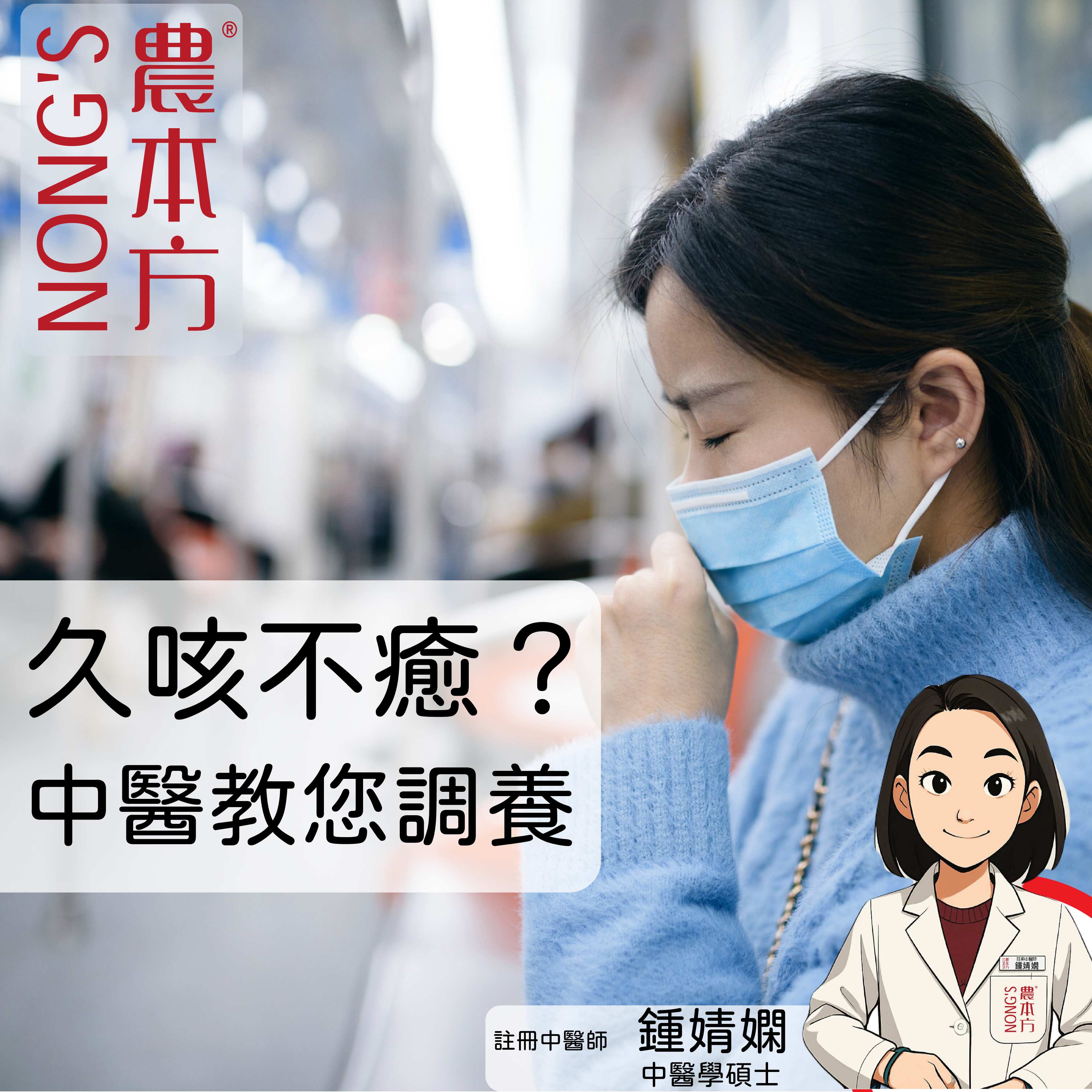
Persistent Cough? TCM Can Help You Heal
A chronic cough — generally a cough lasting more than eight weeks — is known in TCM as "chronic cough" or "internal-injury cough". Chronic cough is closely linked to organ-system deficiency. In this article we look at the causes, contributing factors, and key TCM strategies for managing it.
Causes of chronic cough
1. Lung, spleen and kidney deficiency at the root
TCM holds that chronic cough usually stems from weakness of the lung, spleen and kidney:
- Lung-qi deficiency: weak lung qi makes it easy for external pathogens to invade and trigger coughing.
- Spleen deficiency producing phlegm: when spleen function is inadequate, phlegm-damp accumulates in the body and eventually settles in the lungs.
- Kidney unable to grasp qi: weak kidney qi disrupts smooth breathing, and rebellious qi rises and triggers coughing.
2. Coughs persist when triggers are not removed
Besides organ-system deficiency, the following factors can worsen a cough:
- Unresolved exterior pathogens: e.g. lingering after-effects of a cold.
- Smoke and dust: pollutants in the environment.
- Cold or chilled diet: e.g. cold drinks and sweet, greasy foods.
- Emotional stagnation: unstable emotions can also affect lung health.
3. Presentation: phlegm-damp or deficient fire
Chronic cough presents in many ways, but mainly falls into two patterns:
- Phlegm-damp type: lots of thick, sticky phlegm in the morning, usually with chest tightness.
- Yin-deficiency type: dry cough with little phlegm, dry throat at night, frequent thirst — related to deficient fire rising.
Key TCM strategies
TCM management of chronic cough emphasises pattern differentiation and daily self-care. Here are some key suggestions:
💪🏻 Treatment must follow pattern differentiation
- Phlegm-damp type: herbs such as Chen Pi (tangerine peel) and Fu Ling (poria) may be considered.
- Yin-deficiency type: herbs such as Sha Shen and Mai Dong may be chosen.
(Treatment should be carried out under the guidance of a qualified Chinese Medicine Practitioner — do not self-medicate.)
🥶 Stay warm and avoid wind-cold
- Keep the neck and back warm in particular, to prevent external pathogens invading and reduce coughing episodes.
🍦🍣 Avoid raw, cold, sweet and greasy foods
- Avoid seafood, cold drinks, fried foods and overly sweet foods.
- Try lung-moistening foods such as lily-bulb porridge or pear stewed with Chuan Bei.
🚭 Quit smoking and protect your airway
- Stay away from smoke, cooking fumes and dust; wear a mask outdoors to protect the airways.
The Huangdi Neijing says: "When healthy qi is present within, evil cannot interfere." Managing chronic cough requires patience — supporting your own healthy qi is the key to recovery. Timely medical care, paired with daily self-care, can significantly relieve symptoms and help you breathe freely again.
May every patient recover soon and enjoy a healthy life!
Book a NONG'S® TCM consultation now and speak with a Registered Chinese Medicine Practitioner